About Cocoa
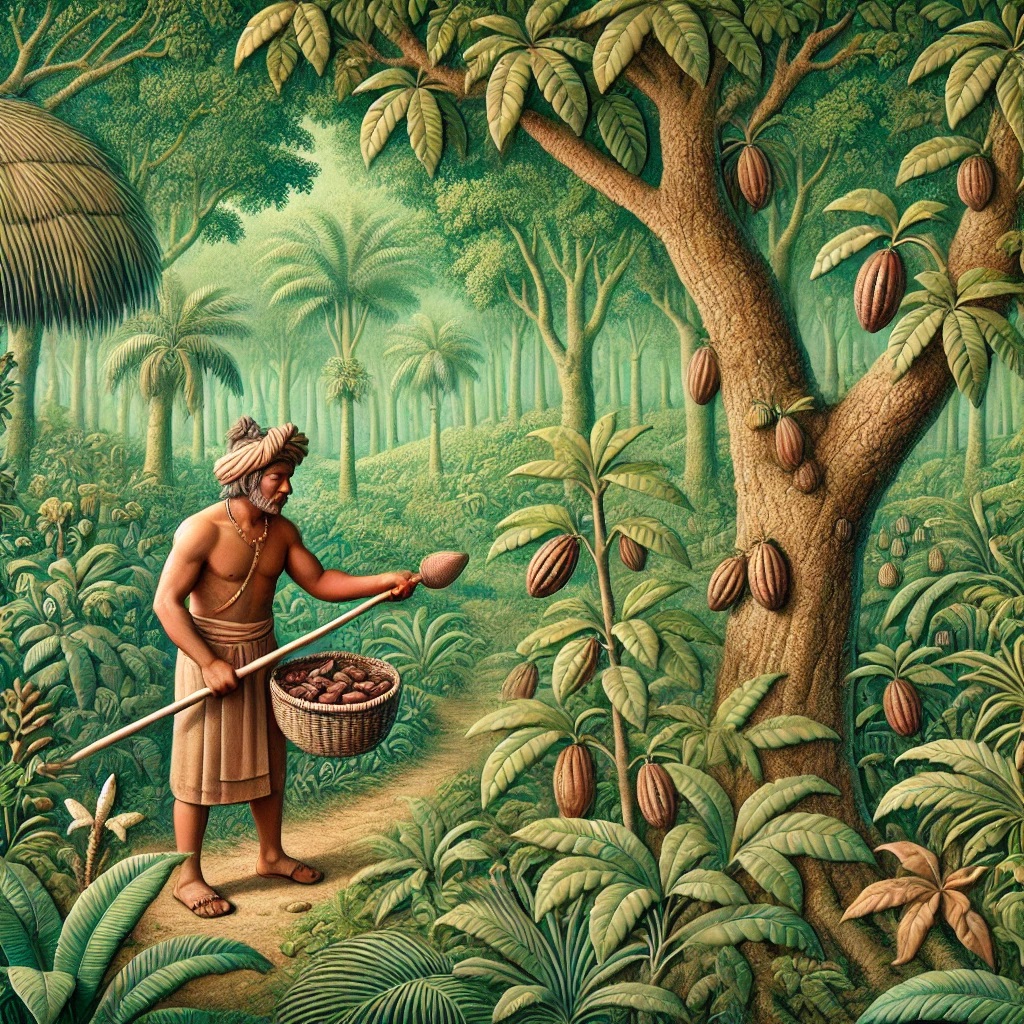 The origins of cocoa date back to Mesoamerica, where the Olmecs (1500 BCE) were among the first to
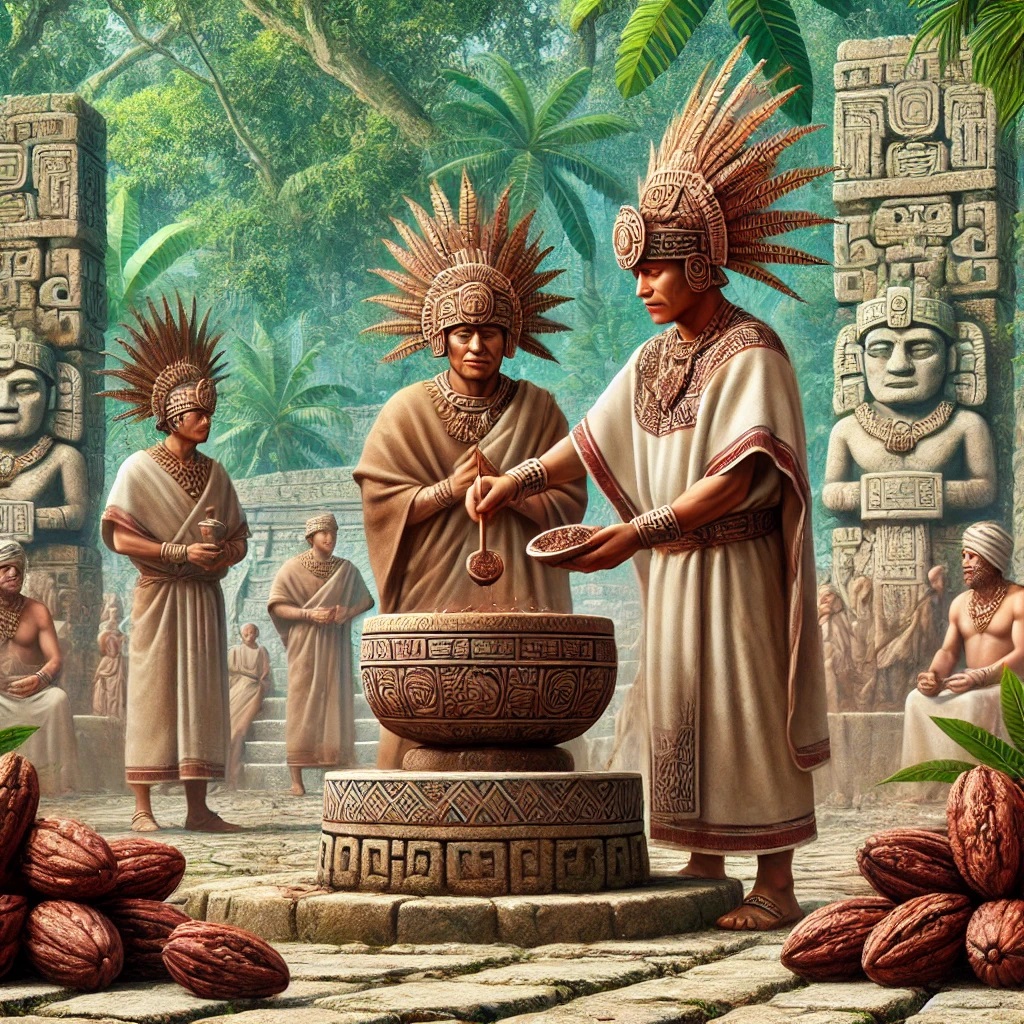
cultivate cacao. Later, the Mayans and Aztecs adopted it, using cocoa in rituals and as an elite
beverage. The Aztecs considered it a divine gift from the god Quetzalcoatl, and cacao beans were so
valuable they were used as currency. However, their cocoa drink, called xocolatl, was unsweetened
and mixed with spices like chili.
When Hernán Cortés brought cocoa to Spain in the early 1500s, it became a luxury product for the
Spanish aristocracy. The Spaniards added sugar and cinnamon to the previously bitter cocoa drink,
making it more palatable. For nearly a century, Spain kept cocoa a secret from the rest of Europe,
but it eventually spread to countries like Italy, France, and England, where it gained popularity
among the nobility.
During the Industrial Revolution, technological advances transformed cocoa into modern chocolate. In
1828, Coenraad van Houten invented the cocoa press, which made it easier to create powdered cocoa.
In 1847, Joseph Fry produced the first solid chocolate bar, and by 1875, Daniel Peter and Henri
Nestlé developed milk chocolate by combining powdered milk and cocoa, making chocolate even more
popular.
As demand grew, West Africa became the primary region for growing cacao beans. Countries like Ivory
Coast and Ghana now produce over 60% of the world’s cocoa. However, concerns over child labor and
sustainability have emerged, prompting efforts toward more ethical production practices. Cocoa
remains a key agricultural product worldwide.
Today, cocoa is celebrated not only for its delicious taste but also for its health benefits. Dark
chocolate, made from cocoa, is rich in antioxidants and can help reduce inflammation, improve heart
health, and boost mood. From ancient rituals to modern-day treats, cocoa’s journey continues to
delight people around the globe.
The origins of cocoa date back to Mesoamerica, where the Olmecs (1500 BCE) were among the first to
cultivate cacao. Later, the Mayans and Aztecs adopted it, using cocoa in rituals and as an elite
beverage. The Aztecs considered it a divine gift from the god Quetzalcoatl, and cacao beans were so
valuable they were used as currency. However, their cocoa drink, called xocolatl, was unsweetened
and mixed with spices like chili.
When Hernán Cortés brought cocoa to Spain in the early 1500s, it became a luxury product for the
Spanish aristocracy. The Spaniards added sugar and cinnamon to the previously bitter cocoa drink,
making it more palatable. For nearly a century, Spain kept cocoa a secret from the rest of Europe,
but it eventually spread to countries like Italy, France, and England, where it gained popularity
among the nobility.
During the Industrial Revolution, technological advances transformed cocoa into modern chocolate. In
1828, Coenraad van Houten invented the cocoa press, which made it easier to create powdered cocoa.
In 1847, Joseph Fry produced the first solid chocolate bar, and by 1875, Daniel Peter and Henri
Nestlé developed milk chocolate by combining powdered milk and cocoa, making chocolate even more
popular.
As demand grew, West Africa became the primary region for growing cacao beans. Countries like Ivory
Coast and Ghana now produce over 60% of the world’s cocoa. However, concerns over child labor and
sustainability have emerged, prompting efforts toward more ethical production practices. Cocoa
remains a key agricultural product worldwide.
Today, cocoa is celebrated not only for its delicious taste but also for its health benefits. Dark
chocolate, made from cocoa, is rich in antioxidants and can help reduce inflammation, improve heart
health, and boost mood. From ancient rituals to modern-day treats, cocoa’s journey continues to
delight people around the globe.
Visit the World Cocoa Foundation